
Tires are the only point of contact between your car and the road. This means their proper maintenance is crucial for safety, comfort and fuel efficiency. One of the most important aspects that drivers often overlook is correct tire pressure.
In this article, you’ll learn why regular tire pressure checks are essential, the dangers of overinflated tires, and how to reset the tire pressure light when it comes on.
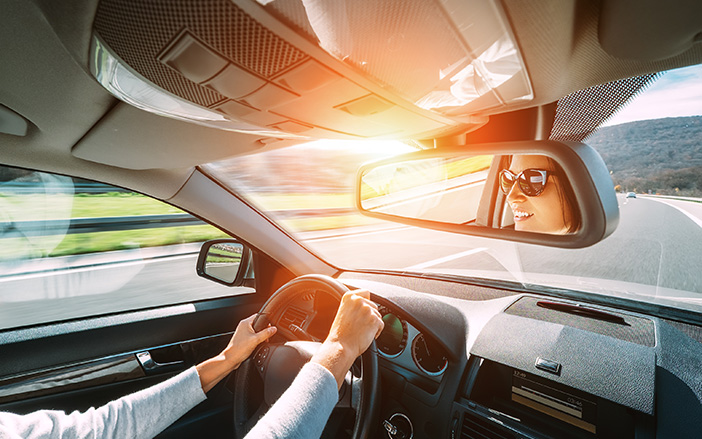
Proper tire pressure ensures your car maintains the right contact with the road. This means better grip, shorter braking distances and improved cornering stability.

In addition, maintaining the correct tire pressure helps:
Prevent uneven tire wear.
Reduce fuel consumption.
Avoid accidents caused by loss of control.
Neglecting this can lead to serious problems. Whether the pressure is too low or you have overinflated tires, the consequences affect both your safety and your wallet.
Experts recommend checking tire pressure at least once a month and always before long trips. Pressure should be measured when the tires are cold, because after extended driving the temperature can raise the reading.
On the inner side of the driver’s door or in the vehicle’s manual, you will find the recommended values for your car. Usually, two numbers are provided: one for normal use and one for a fully loaded vehicle. Adhering to these values is important, as both low and excessive pressure pose serious risks.
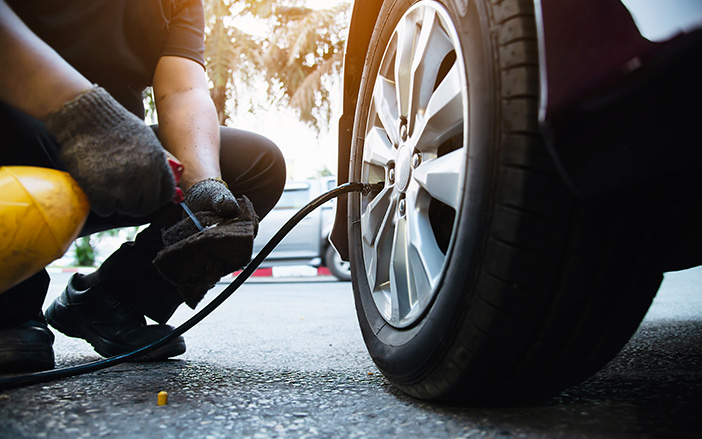
Low pressure increases rolling resistance and fuel consumption. It also raises the tire’s temperature, risking a blowout at high speeds.
Conversely, excessive tire pressure reduces the contact area with the road. This leads to reduced grip, longer braking distances, and uneven wear in the center of the tread.
In any case, extreme values negatively affect driving performance and increase the risk of accidents.
Most modern cars are equipped with a Tire Pressure Monitoring System (TPMS). When a tire loses pressure, the system alerts you with a dashboard light. Many drivers wonder how to reset the tire pressure light.
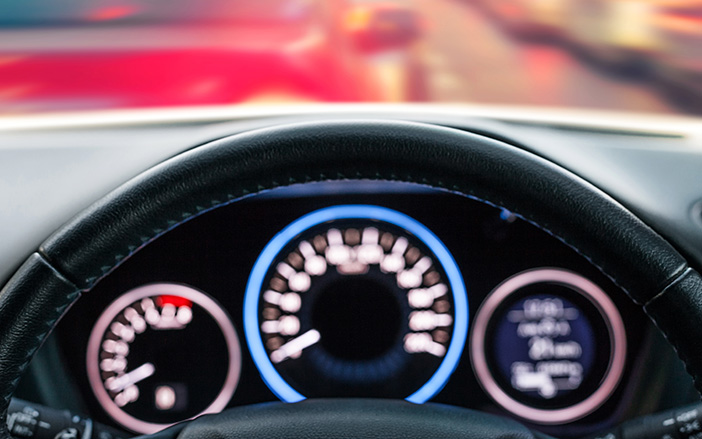
Here’s how it usually works:
Check the pressure in all tires and adjust to the recommended values.
Drive for a few minutes and the system often resets automatically.
In some models, you may need to reset it manually through the vehicle’s menu.
If the light stays on, there may be a sensor malfunction and you should visit a service center.
Tire care is essential for the safety and smooth operation of your vehicle. Regular checks help prevent wear and leaks, while ensuring better grip and fuel efficiency.
Check the tire pressure regularly and don’t rely solely on the TPMS.
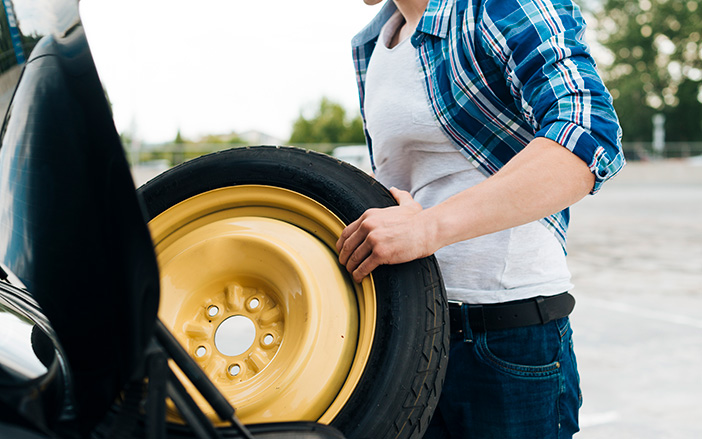
Don’t forget the spare tire, as it also needs the correct pressure.
Perform a check before long trips or vacations.
If you notice frequent pressure loss, take your vehicle to a technician for possible leaks.
Correct car tire pressure becomes even more important on long-distance trips. A tire with incorrect pressure increases driver fatigue, noise, and fuel consumption.
To make sure you start prepared, check our guide: Small vs. Large Cars: Which to Choose for Your Rental? There you’ll find useful tips on how to select the right vehicle according to your needs.
Correct tire pressure is fundamental for safety, economy and driving comfort. Regular tire pressure checks, avoiding overinflated tires, and knowing how to reset the tire pressure light are simple steps that make a big difference.
Let’s Drive is by your side, offering vehicles in excellent condition, ready for any journey. Whether you need a car for a business trip or your vacation, peace of mind starts with the tires and extends to every last detail.
You can choose car rental at Thessaloniki Airport or car rental at Piraeus Port and have a modern vehicle at your disposal with all safety systems.
This way, you start your trip stress-free, knowing that the tires and their pressure have been properly checked.
