
Night Driving: 5+1 Tips to Stay Safe
Discover 5+1 practical tips for safe night driving and learn how to improve visibility, avoid common road dangers, and drive with greater confidence at night.
Driving at night can be a completely different experience compared to daytime driving. The roads are quieter, traffic is lighter, and the overall environment feels more relaxed. However, night driving also comes with risks that should not be ignored.
Reduced visibility, fatigue, and the different behavior of other drivers make night driving more challenging. It is no coincidence that many drivers find it difficult, especially on long journeys.
In this guide, we will look at 5+1 practical tips to help you drive more safely and confidently at night.
Why Night Driving Is More Challenging
Before looking at the tips, it is important to understand why night driving is considered more difficult.
The main reasons include:
- reduced visibility
- limited depth perception
- higher likelihood of fatigue
- glare from oncoming headlights
- increased risk from careless drivers
The difficulty of night driving is not only about experience, but also about driving conditions.

1. Keep Your Lights and Windshield Clean
Visibility is the most important factor when driving at night.
Make sure that:
- your car headlights are clean
- all lights are working properly
- your windshield is free of dirt and fog
Even small amounts of dirt can significantly reduce visibility and make night driving more difficult.
2. Adjust Your Headlights Properly
Your car’s lights are not only for you to see, but also for others to see you.
When driving at night:
- use low beams in urban areas
- switch to high beams on unlit roads
- dim your lights when an oncoming vehicle approaches
Proper use of headlights reduces difficulty and increases safety during night driving.
3. Reduce Your Speed
At night, reaction times are slower due to reduced visibility, so it is important to adjust your speed.
When driving at night:
- keep a greater following distance
- drive slower than you would during the day
- stay prepared to brake at any moment
A speed that feels safe during the day may not be safe at night.
4. Avoid Fatigue
Fatigue is one of the biggest risks in night driving.
Common signs of tiredness include:
- heavy eyelids
- reduced concentration
- frequent yawning
- delayed reactions
If you feel tired:
- stop for a break
- step out of the car for a few minutes
- drink water or coffee
Fatigue greatly increases the risk of accidents and should never be ignored.
5. Be Cautious of Other Drivers’ Headlights
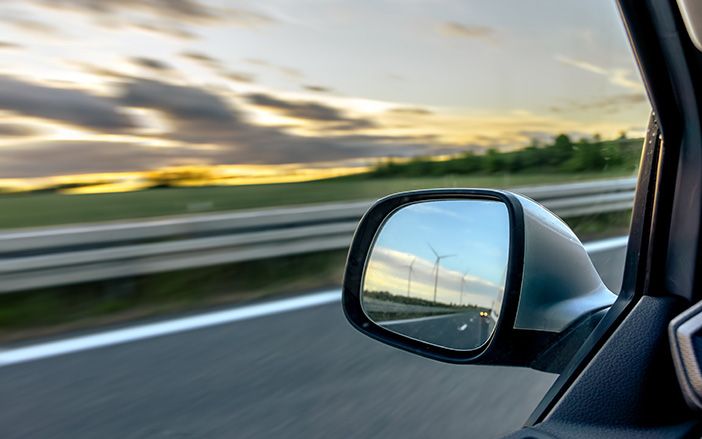
One of the most common issues in night driving is glare from oncoming vehicles.
To handle it:
- avoid looking directly at headlights
- focus on the right side of the road
- slow down if necessary
This helps maintain better visibility and control.
+1. Stay Extra Alert
At night, dangers are not always visible. Pedestrians, animals, or obstacles can appear suddenly.
Night driving requires:
- increased attention
- higher concentration
- constant road scanning
Do not become complacent just because there is less traffic.
Night Driving and Road Trips
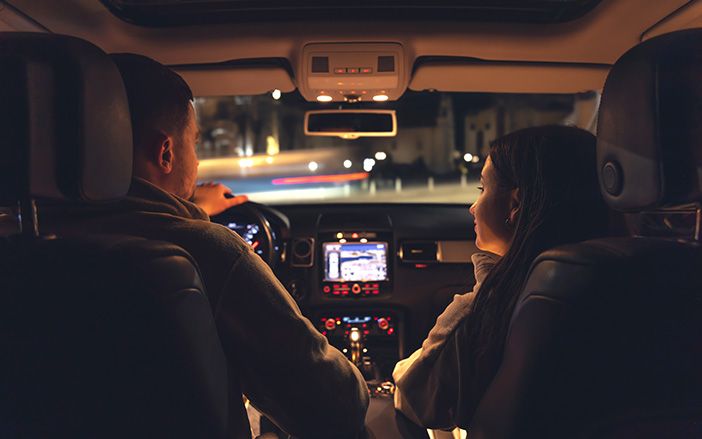
If you travel frequently, night driving can sometimes feel more relaxing due to lighter traffic. However, proper preparation is essential.
Make sure that:
- your car is in good condition
- all lights are functioning properly
- you are well-rested before starting your trip
If you need a vehicle for your journey, you can choose car rental at Athen’s Downtown or car rental at Thessaloniki Airport for greater convenience and safety.
Let’s Drive offers modern vehicles equipped with advanced lighting systems that make night driving more comfortable.
Common Mistakes to Avoid
During night driving, many drivers make mistakes that increase risk.
The most common include:
- excessive speed
- improper use of headlights
- driving while tired
- distraction
- underestimating risks
Proper behavior significantly reduces the difficulty of night driving.
Night driving can be safe and comfortable when done correctly. By understanding the risks and applying simple tips, you can drive more safely.
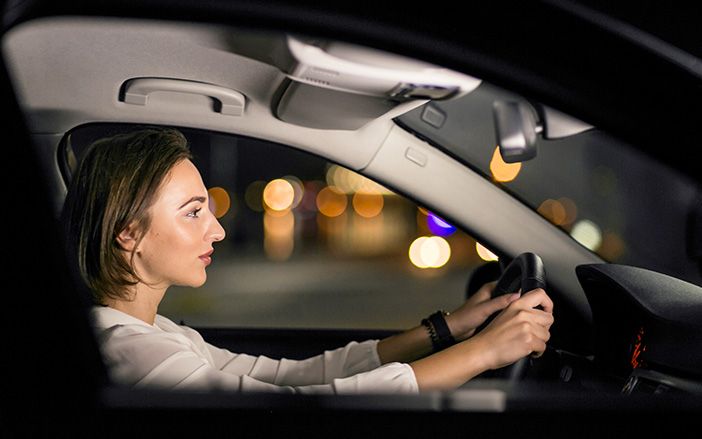
Proper use of headlights, speed adjustment, and avoiding fatigue are essential for safe night driving. If you experience difficulty, start with short trips and gradually build confidence.
With proper preparation and attention, every night journey can be safe and enjoyable.

Continue the Journey