How to Transport Luggage on Top of Your Car
Learn how to safely transport luggage on your car roof. Discover practical tips for roof racks, proper securing, and safe, risk-free travel.
Road trips offer freedom, comfort, and the flexibility to bring everything you need. However, there are times when your vehicle’s trunk space simply isn't enough, especially when traveling with family, friends, or for extended holidays. In these situations, a roof rack becomes one of the most practical solutions.
Although transporting luggage on the roof is quite common, many drivers are unaware of the basic safety rules involved. Properly securing luggage to a car roof rack not only protects your belongings but also helps keep other road users safe.
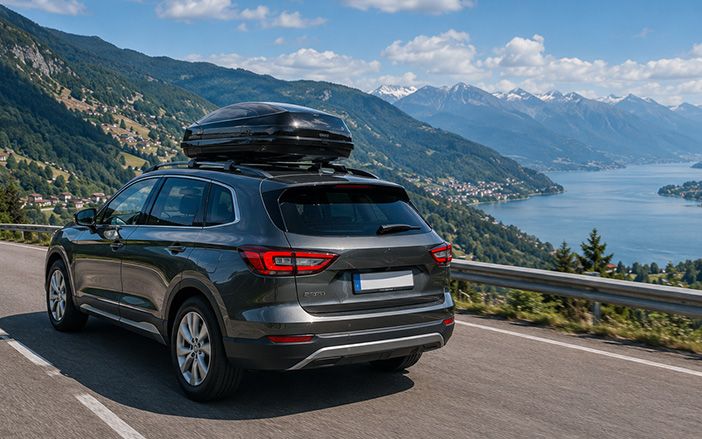
In this guide, you'll learn everything you need to know about safely loading cargo onto your vehicle's roof, the most important safety tips, and the common mistakes you should avoid.
Why Use a Roof Rack?
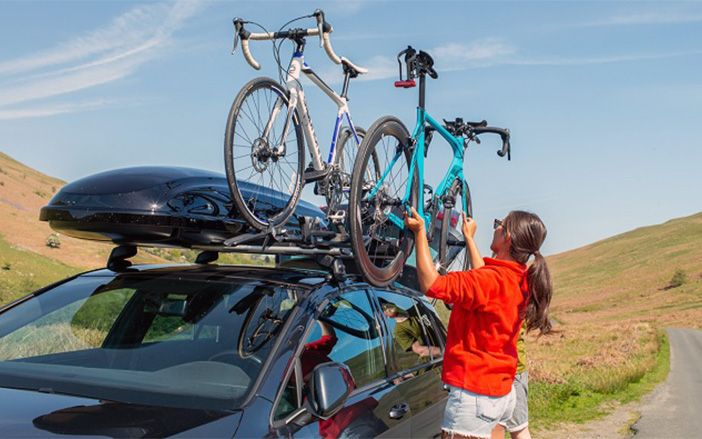
A roof rack is extremely useful when you need additional storage space. It can accommodate suitcases, sports equipment, bicycles, or roof cargo boxes.
Key benefits include:
- More available interior space
- Greater comfort for passengers
- Easier luggage organization
- The ability to transport bulky items
For frequent travelers, proper use of a roof rack can significantly improve the travel experience.
Before Loading the Roof Rack
Before you begin loading, it's important to understand your vehicle's limitations.
Every manufacturer specifies:
- Maximum roof load capacity
- Compatible roof rack systems
- Maximum total vehicle load
This information can usually be found in the vehicle owner's manual.
One of the most common mistakes is overloading the roof rack. Even if the rack appears sturdy, your vehicle has specific weight limits that should never be exceeded.
The Importance of Proper Load Securing
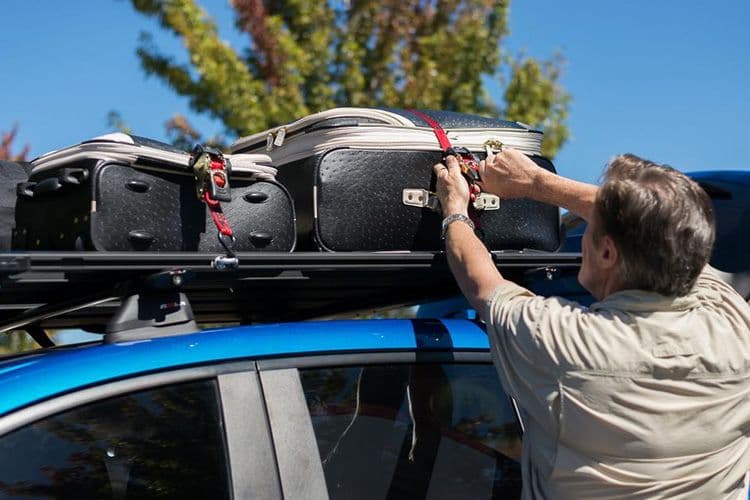
Properly securing luggage to a roof rack is the most important step in the entire process.
If cargo is not secured correctly:
- It may shift while driving
- It can affect the vehicle's balance
- It may become detached during transit
Even a small suitcase can become dangerous at highway speeds.
That's why using the right equipment and taking the necessary precautions is essential.
How to Distribute Weight Correctly
Weight distribution is just as important as securing the load.
Follow these basic rules:
- Place heavier items in the center
- Keep the load as low as possible
- Avoid concentrating weight on one side
- Distribute weight evenly
This helps maintain vehicle stability during cornering and braking.
Roof Rack Securing Tips
There are several important roof rack safety tips every driver should follow.

Use High-Quality Straps
Cheap or worn straps can fail unexpectedly.
Choose:
- Certified tie-down straps
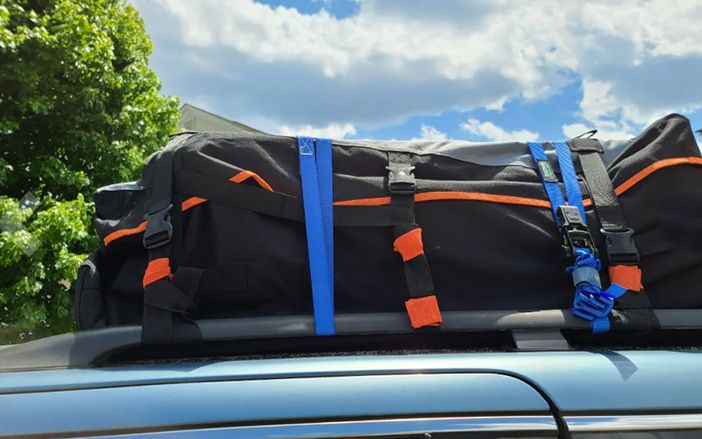
- Ratchet straps
- Equipment suitable for the weight of your load
Double-Check the Load
After securing your luggage, try moving it by hand. If you notice any movement, additional securing is required.
Avoid Loose Straps
Loose straps can hit the vehicle bodywork or become tangled while driving.
Using a Roof Cargo Box
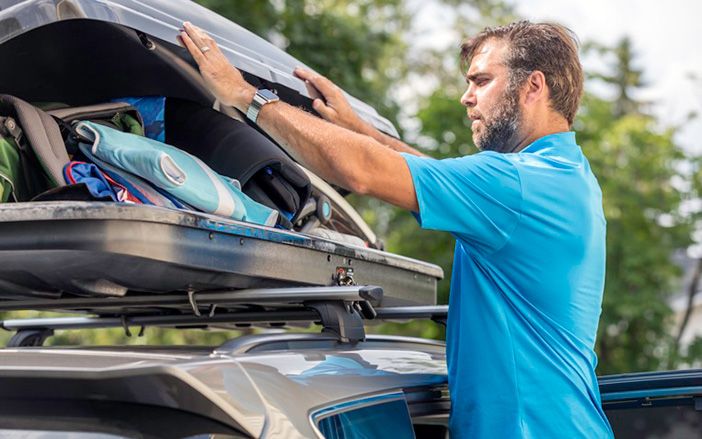
A roof cargo box is one of the safest ways to transport luggage.
Benefits include:
- Protection from rain and weather
- Improved aerodynamics
- Increased security
- Easier organization
Even when using a roof box, you must still follow all weight and installation guidelines.
How Roof Loads Affect Driving
Many drivers forget that carrying cargo on the roof changes how a vehicle handles.
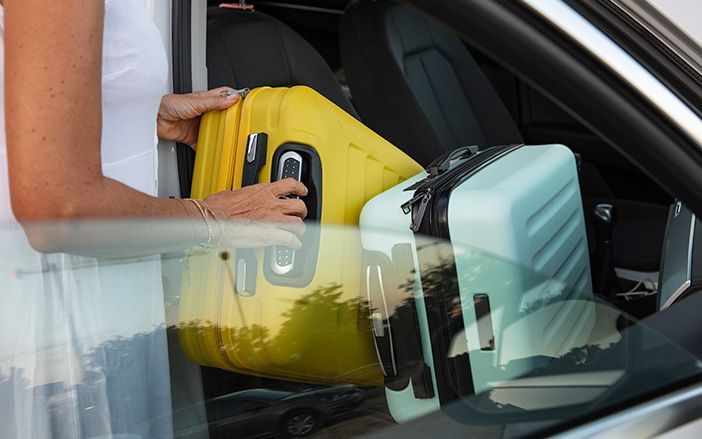
Additional weight affects:
- Acceleration
- Braking performance
- Fuel consumption
- Stability in corners
When transporting luggage on the roof:
- Drive more smoothly
- Avoid sudden maneuvers
- Maintain greater following distances
Watch Out for Strong Winds
Strong crosswinds can significantly affect a vehicle carrying roof-mounted cargo.
This is particularly important:
- On bridges
- On open highways
- In coastal areas
If weather conditions are challenging, reduce your speed and drive with extra caution.
Checking Your Load During the Trip
Proper roof rack securing doesn't end when the journey begins.
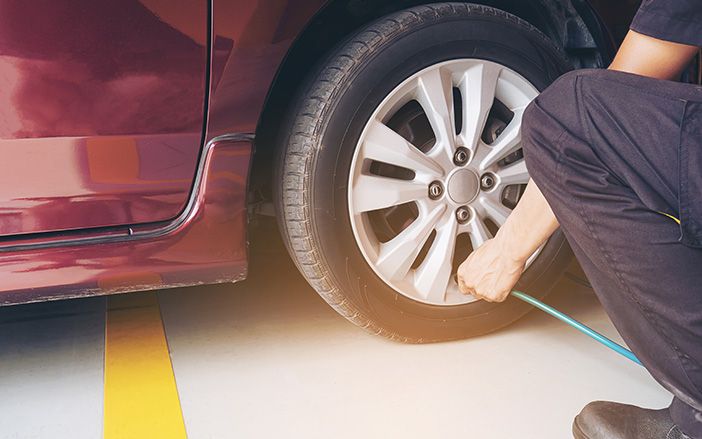
It's recommended to inspect your load:
- After the first 20–30 kilometers (12–18 miles)
- At every major stop
- Before entering a highway
Road vibrations can gradually loosen straps over time.
Common Mistakes to Avoid
There are several mistakes drivers frequently make.
Overloading
The most common mistake is exceeding the roof rack's weight capacity.
Improper Securing
Many drivers assume that a couple of loosely attached straps are sufficient.
Driving Too Fast
Excessive speed increases the risks associated with roof-mounted cargo.
Poor Weight Distribution
Weight should always be distributed evenly across the rack.
Transporting Luggage in a Rental Car
If you're traveling with a rental vehicle and need extra storage space, it's important to inform the rental company in advance.
For example:
These options may allow you to choose larger vehicles or models that support roof racks and roof cargo boxes.
Let's Drive offers a variety of vehicle options to meet different travel needs, whether you're planning a family holiday or transporting sports equipment.